
Prostate screening is one of the most important tools in men’s healthcare, but it’s often delayed due to uncertainty, fear, or common misconceptions.
Prostate screening is straightforward, accessible, and designed to detect changes early, often before symptoms appear. Breaking down the myths can make the process feel far more approachable, and help men take a more proactive role in their health.
Myth: “If I feel fine, I don’t need screening.”
Fact: Prostate cancer often develops without symptoms in its early stages.
Screening is not based on how you feel. It’s designed to identify changes before symptoms begin. Early detection can lead to more treatment options and better long-term outcomes.
Myth: “Prostate screening is complicated.”
Fact: Screening is simple and typically involves two components:
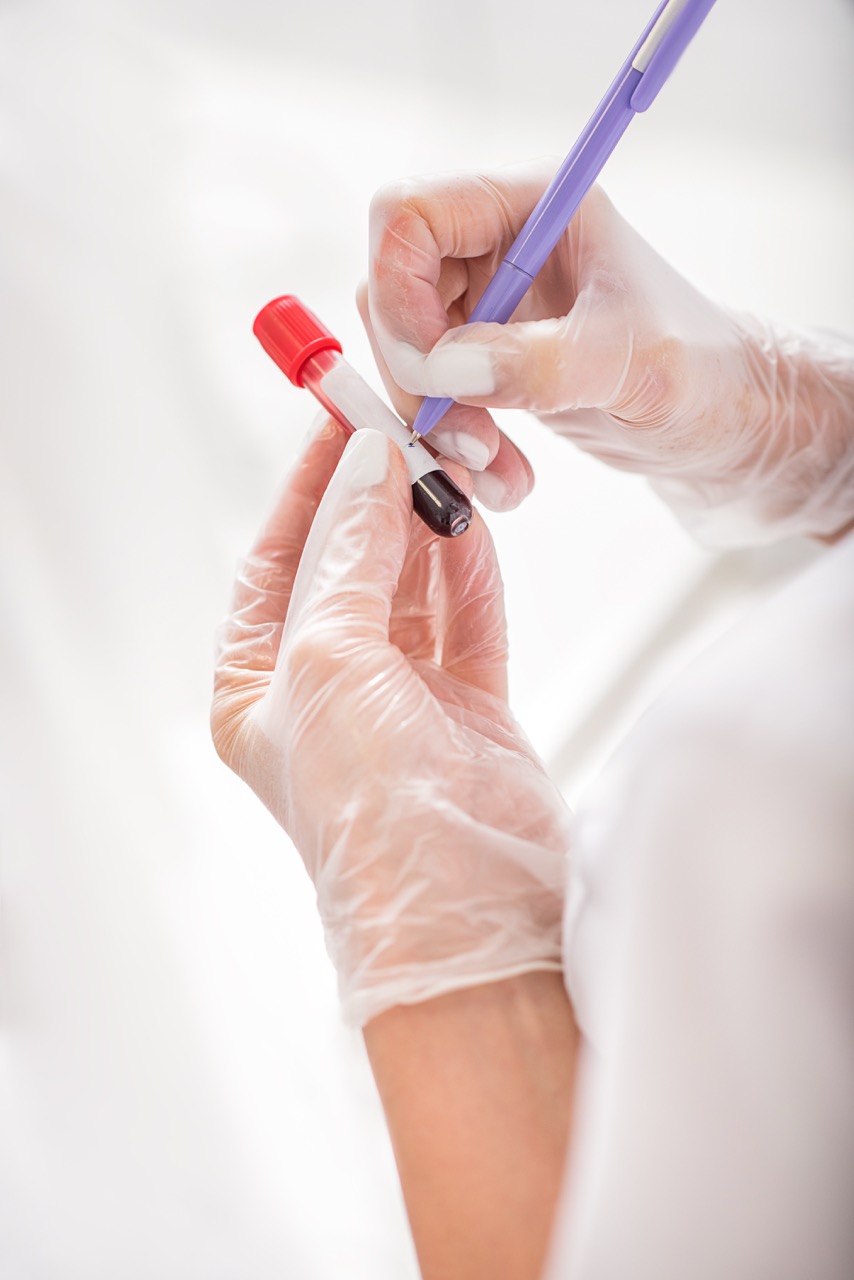
PSA (Prostate-Specific Antigen) blood test
A routine blood test that measures a protein produced by the prostate. Elevated PSA levels can indicate changes, but do not automatically mean cancer. Levels can also rise due to non-cancerous conditions like prostate enlargement or inflammation.
Digital Rectal Exam (DRE)
A brief physical exam used to assess the size and texture of the prostate. It is quick, commonly performed, and provides important additional information.
Together, these tools (along with review of your medical history) give a clearer picture of your prostate health.
Myth: “A high PSA means I have cancer.”
Fact: PSA (Prostate-Specific Antigen) is a screening tool, not a diagnosis.
Elevated PSA levels can occur for a variety of reasons, many of which are non-cancerous. Results are interpreted in context, and further testing is only recommended when necessary.
Myth: “The digital rectal exam is painful.”
Fact: A digital rectal exam (DRE) may feel uncomfortable, but it is brief and typically not painful.
For many patients, the anticipation is often worse than the experience itself.
Myth: “Screening always leads to treatment.”
Fact: Not all findings require immediate treatment.
In some cases, especially with slower-growing conditions, active surveillance is the most appropriate approach. Screening helps guide decisions and next steps, it doesn’t automatically lead to intervention.
Myth: “I’m too young to think about prostate screening.”
Fact: Timing matters.
General guidelines recommend:
- Starting screening at age 50 for most men
- Starting screening at age 45 for those with higher risk factors, such as family history
Screening should always be based on a conversation with your healthcare provider and tailored to your individual risk.
The Bottom Line
Prostate screening is a proactive step that provides clarity, reassurance, and the opportunity to act early if needed.
Many men wait too long, not because they choose to, but because they’re unsure where to start.
Take the Next Step
If you’ve been thinking about getting screened, consider this your sign.
A simple conversation and a routine test can make a meaningful difference in your long-term health.
Book your screening with Men’s Health Clinic and take a proactive approach to your health.